
How we make it
How our oil is made: from harvest to bottle, step by step.
From olive to oil in under a day
We harvest between late October and December, while the fruit is still turning: not yet fully black. It yields less oil then, but the oil it yields is the good one. No more than twelve hours pass between tree and mill.
1. Harvest
Trunk shaker and nets. The olives never touch the ground and arrive whole, unbruised. Every batch is logged with the name of its grove, and that name follows it all the way to the bottle.
2. Cleaning and milling
Leaves are blown off, the fruit is washed and weighed. A hammer mill breaks the olive — stone and all — into a paste with nothing added to it.
3. Cold malaxation
The paste is stirred below 27 °C for about forty minutes. This is what allows us to say cold extracted: above that temperature we would get more oil, but lose the aromas that justify the price.
4. Centrifuging
A two-phase decanter separates oil from pomace without adding water. The result is a cloudy oil, just as it comes, left to settle slowly in stainless steel tanks.
5. Storage and bottling
Tanks are blanketed with nitrogen and kept at a steady temperature, in the dark. We bottle to order rather than in large runs, so what reaches your kitchen has only been in glass for a few weeks.
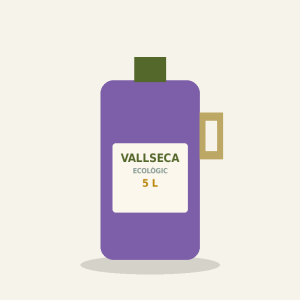
Why violet glass. Light is what spoils olive oil fastest. Violet glass filters out the part of the spectrum that oxidises it, which is why we use it for the organic range.